Breaking up a driveway, patio, or foundation can transform a property—but it also creates tons of heavy rubble that regular trash services won’t touch. When the pile of broken slab gets real, the solution most pros and homeowners trust is a specialized concrete dumpster. If you’re searching for a dependable, local option that understands Missouri’s rules and roads, the right roll-off dumpster makes removal fast, legal, and cost-effective. Below, you’ll find practical guidance on sizing, loading, permits, and real-world scenarios to help you pick the perfect container and move your project forward without delays.
What to Know Before You Rent a Concrete Dumpster
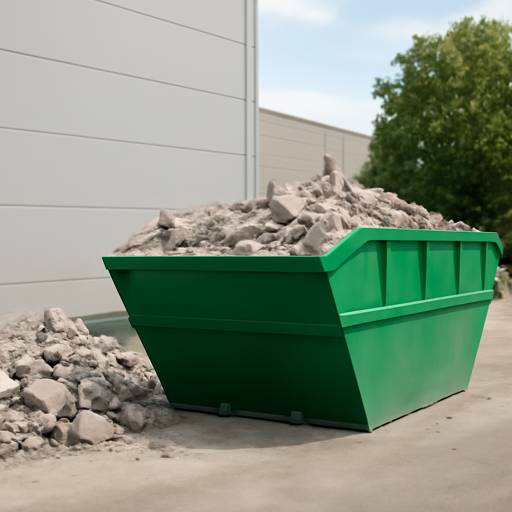
Concrete is dense—about 2 tons per cubic yard when dry—and it gets even heavier when wet. That’s why the best containers for this kind of debris are purpose-built roll-off dumpsters designed for heavy loads. While suppliers offer a full range of sizes (10-, 15-, 20-, 30-, and 40-yard), concrete typically rides in smaller containers so the truck stays within legal weight limits on Missouri roads. Many projects land on a 10- or 15-yard size for pure concrete; blends with brick or asphalt may call for a 15- or 20-yard, but always confirm with your provider.
Know the difference between “clean” and “mixed” loads. A clean concrete load contains only concrete (and usually minimal rebar). This can often be recycled at a reduced disposal rate. A mixed heavy debris load—concrete combined with brick, block, or asphalt—may still be acceptable but can cost more to process. Trash, soil, wood, plastics, insulation, paint, or hazardous materials can contaminate the load, trigger extra fees, or even cause a refusal. When in doubt, keep concrete separate and clean to maximize savings and sustainability.
Right-sizing the dumpster starts with a quick volume estimate. Use this formula to convert your slab to cubic yards: Length (ft) × Width (ft) × Thickness (inches ÷ 12) ÷ 27. Then add a “swell” factor of 15–30% because broken concrete takes up more space than a solid slab. For example, a 400 sq ft driveway at 4 inches thick equals about 4.9 cubic yards in place. After demolition, it may occupy 6–7 cubic yards, depending on how finely it’s broken up. That’s why many residential driveways fit nicely in a 10-yard concrete dumpster.
Loading technique matters. Distribute weight evenly from front to back, break larger chunks to reduce air gaps, and don’t exceed the top rails—drivers must tarp the load safely. Keep rebar lengths manageable; long, protruding steel can prevent safe transport. Try to limit moisture—rainwater adds weight fast—by staging rubble under a tarp until your dumpster arrives. If space is tight, plan for a “swap” mid-project: fill the first dumpster, have it hauled away, and get a second placed in the same spot. When it’s time to book, searching for concrete dumpsters near me connects you to Missouri-based roll-off services that understand local routes, recycling outlets, and city permitting requirements.
Missouri-Specific Rules, Permits, and Best Practices
In Missouri, placing a roll-off on private property—like your driveway—usually avoids permits. But if your container needs to sit on a street, alley, sidewalk, or other public right-of-way, most cities require a permit and may have rules about traffic control and placement. In metro areas such as St. Louis and Kansas City, and in cities like Springfield, Columbia, and Jefferson City, right-of-way permits are common, and some neighborhoods also observe HOA rules about where and how long a dumpster can sit. Call ahead, as timelines and fees vary. If a permit is needed, allow time for approval and be ready to position safety cones or reflective markings if the city requires them.
Weight is another Missouri must-know. Trucks hauling heavy debris are subject to state and local weight limits and can be checked at scales. That’s why concrete dumpsters have clear “do not fill above” guidance. If a container is too heavy, the hauler may need to offload material or bill an overage. Avoid surprise charges by selecting the correct size, keeping your load clean, and not mixing in dirt or general trash, which can dramatically increase tonnage and disrupt recycling.
Scheduling with weather in mind pays off statewide. Missouri’s freeze-thaw cycles and spring rains can turn clean concrete into a heavier, messier job. Plan delivery after demolition starts so rubble isn’t exposed to days of rain. If weekend street work is allowed in your city, a Friday delivery and Monday pickup can minimize traffic disruptions and limit permit days. For nighttime or early-morning projects near downtown cores, ask about placement windows to comply with noise ordinances.
Finally, think site safety and surface protection. Heavy dumpsters can mar soft asphalt or new concrete; lay down 3/4-inch plywood or timbers to spread weight. Maintain clear access: move parked cars, trim low branches, and ensure the pad is level. For commercial jobs near busy streets, consider temporary barricades or reflective signage per local code. A few preventive steps can save time, protect your property, and prevent costly delays.
Real-World Scenarios: Choosing Sizes and Timing for Missouri Projects
Residential driveway in Kansas City: A two-car driveway measuring 600 sq ft at 4 inches thick totals roughly 7.4 cubic yards in place. After breaking, expect about 9–10 cubic yards of debris. A 10-yard concrete dumpster typically handles this well if you keep the load clean and don’t overfill. Schedule your dumpster the morning demolition begins, and request a same-day or next-day “swap” if you’re also removing a small patio. Ask the driver to place the container on plywood near the street end of the driveway for easy loading by wheelbarrow or skid steer. Keep a tarp handy in case rain moves in.
Commercial sidewalk demo in St. Louis: Suppose your crew is replacing 200 linear feet of 5-foot-wide sidewalk at 5 inches thick. That’s about 15.4 cubic yards in place, which can swell to 18–20 cubic yards after demo. Many teams use two 10-yard concrete dumpsters rather than a single larger container to stay within weight limits and keep the job moving. Because this work may require right-of-way permits and traffic cones, coordinate with the city and your provider a week in advance. Choose off-peak hours for swap-outs to reduce congestion, and stage rubble into manageable chunks so the crew can load continuously while waiting for the next container.
Basement slab removal in Springfield: An 800 sq ft basement floor at 3 inches thick equals about 7.4 cubic yards in place. Indoors removal usually creates smaller fragments, pushing volume to around 9 cubic yards. A 10-yard concrete dumpster is a practical pick. To protect finished areas, lay down masonite or plywood along the path to the door, and use a compact wheelbarrow to move debris out. Ask for the dumpster to be set close to the exit to limit travel distance and time. Because indoor work can run longer, consider a slightly extended rental period; communicate your timeline so pickup aligns with your final cleanup.
Patio plus retaining wall in Columbia: Combining a 300 sq ft, 4-inch patio with a small block wall changes the math: the patio alone is about 3.7 cubic yards in place (roughly 4.5–5 cubic yards broken), and the wall can add another 2–4 cubic yards depending on thickness and length. Mixed heavy debris—concrete plus block—may still be fine, but confirm material rules to keep disposal efficient. If rebar or wire mesh is present, cut it into short lengths and load it flat. When there’s landscaping nearby, ask the driver to angle the dumpster to preserve access to the yard while keeping the truck’s path clear of low branches or soft ground.
Large tear-out in Jefferson City: For a big foundation or parking pad, teams often stage the job with multiple containers: set two 10- or 15-yard dumpsters, load the first, call for a haul, and keep loading the second. This leapfrogging prevents downtime. If the site sits on a narrow street, line up predetermined swap windows with your provider so the truck arrives between deliveries and school traffic. Clean loads can head to local concrete recyclers, supporting sustainability goals and often lowering tipping costs versus mixed waste.
Across all these scenarios, a few rules always apply. Choose a size that matches your estimated volume plus swell; keep the load clean to control costs; and protect your property with ground pads. Confirm any right-of-way permit requirements early, and schedule delivery, swaps, and pickup around weather and access. With those steps—and a trusted Missouri roll-off partner—you’ll clear concrete quickly, safely, and within local guidelines.

Danish renewable-energy lawyer living in Santiago. Henrik writes plain-English primers on carbon markets, Chilean wine terroir, and retro synthwave production. He plays keytar at rooftop gigs and collects vintage postage stamps featuring wind turbines.