What Is a Truck Loading Conveyor and Why It Matters
A truck loading conveyor is a purpose-built conveying system that moves parcels, cartons, sacks, and even small pallets directly into or out of a trailer, container, or box truck. Unlike fixed plant conveyors, these systems are designed for the unique constraints of the loading dock. Telescopic booms extend deep into trailers, flexible roller or skate-wheel sections curve to meet door positions, and belt or modular-chain surfaces handle diverse package types without snags. The result is a faster, safer, and more predictable flow of goods at one of the most labor-intensive touchpoints in logistics.
The operational impact is immediate. By bringing the conveyor to the cargo, teams reduce walking distance, manual lifting, and awkward twisting motions—core contributors to strain and lost-time incidents. Measurable improvements include higher cartons-per-hour, shorter dwell time per vehicle, and better on-time departure rates during peak seasons. For parcel hubs, e-commerce fulfillment centers, and cross-border logistics facilities processing high SKU variability, a well-specified truck loading conveyor elevates dock performance without expanding headcount.
There are several configurations to match specific workflows. Telescopic belt conveyors with multiple boom stages suit high-volume parcel and general cargo operations, often paired with articulating or hydraulic elevation to reach floor and ceiling tiers inside the trailer. Flexible or expandable gravity conveyors add low-cost accumulation and mobility between doors. Powered roller or belt-driven live roller (BDLR) variants handle heavier totes or bagged product. For mixed freight, hybrid systems combine powered belts for main runs with gravity extensions for last-meter positioning, preserving both speed and maneuverability.
From a cost perspective, payback typically comes from three vectors: labor savings, reduced detention fees, and fewer damage claims. If a dock team can jump from 500 to 800 pieces per hour per door, even conservative math shows a compelling ROI over one or two peak cycles. Add in the soft gains—better worker morale, lower turnover due to improved ergonomics, and tighter carrier appointment adherence—and the business case strengthens further. In short, a modern truck loading conveyor turns dock doors into reliable throughput engines rather than bottlenecks.
Key Features and Specifications to Evaluate Before You Buy
Selecting the right system starts with understanding freight profile and door mix. Average and peak carton sizes, typical weights, packaging materials, and trailer types inform critical specs like belt width, frame robustness, and boom length. A common sweet spot is a belt width of 600–800 mm, supporting everything from polybags to medium cartons. For long-haul or cross-border lanes using 40-foot containers, choose multi-stage telescopic booms reaching 12–16 meters, with smooth transitions to avoid package tipping. Specify adequate load rating per meter and verify torque margins for inclines if loading to top tiers.
Drive and control choices shape lifetime performance. Variable frequency drives (VFDs) enable soft starts, energy savings, and speed matching with upstream conveyors or scanners. A well-designed controls architecture integrates photo-eyes for accumulation logic, anti-collision sensors on boom tips, and PLC links to WMS or sortation systems. Quick-reverse buttons for jam recovery, illuminated operator pendants, and interlocked guards reduce downtime. For facilities operating in varied climates or near open docks, consider IP-rated components, sealed bearings, and anti-static belts to maintain reliability during humidity swings and dust exposure.
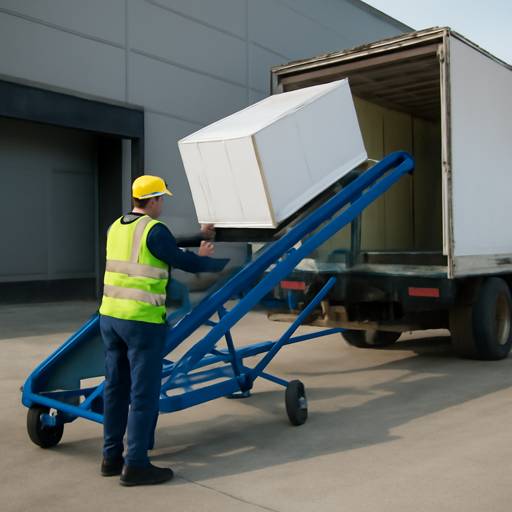
Operator safety is non-negotiable. Look for full-length emergency-stop cords, bumper-edge sensors on the telescopic nose, anti-pinch guarding, and slip-resistant walking or standing surfaces on ride-on platforms. Clearly marked crush zones and safety signage, combined with low-noise operation (aim for below 72 dB where possible), support comfort and compliance. Ergonomic enhancements such as hydraulic height adjustment, automatic floor-following noses, and pivoting articulations minimize repetitive reaching and bending. For heavier items, powered assist lifts or integrated lift tables can be synchronized with conveyor movement.
Maintainability determines true total cost of ownership. Tool-less belt tensioning, quick-change rollers, and modular belt segments reduce service windows. Remote diagnostics—via simple I/O monitoring or secure IIoT gateways—help maintenance teams catch anomalies like belt mistracking or motor overheating before they become stoppages. Standardize spare parts across doors where possible, and confirm local parts availability to shorten MTTR. Finally, assess lifecycle energy use. Efficient motors, regenerative drives on declines, and smart idle modes can trim kWh per carton, a growing priority as sustainability goals tighten across warehousing and industrial loading/unloading operations.
Deployment Scenarios, Best Practices, and Real-World Results
In express parcel and last-mile operations, where surges can triple hourly volumes, deploying a fleet of telescopic conveyors can compress turn times from 90 minutes to under 45 minutes per trailer. Team leads stage cartons on powered infeed belts tied to barcode tunnels, ensuring scan-once traceability before items reach the boom. Inside the vehicle, the operator sets a gentle incline using auto-level controls, builds from the nose outward, and alternates tiers to stabilize the load. When packing out floor-to-ceiling, an articulating boom tip reaches high tiers without ladder use, improving both consistency and safety.
Cross-border logistics and 3PL providers face additional complexity: mixed parcel sizes, bagged apparel, and occasional odd-shaped return goods. A hybrid solution—telescopic belt conveyor feeding a short powered roller with a swing arm diverter—enables real-time reorientation to different trailer doors. For e-commerce returns, gravity extensions with cut-resistant sideguards prevent polybag snagging, while soft-start drives reduce sudden jolts that can crease packages. Facilities serving coastal ports or inland rail hubs often choose galvanized or powder-coated frames for corrosion resistance and specify anti-static belts to mitigate dust and film build-up from high-volume packaging lines.
One regional fulfillment center reduced damage claims by 32% and increased cartons-per-hour by 48% after replacing manual loading with a staged conveyor layout. The design featured zone-controlled accumulation upstream, a two-stage telescopic boom with bumper-edge sensors, and photo-eye based gap optimization. Training emphasized standardized hand-offs: place carton logo-up, corners forward, slide not toss, confirm placement before retracting. Within six weeks, overtime at the dock fell by double digits, and carrier appointment punctuality improved enough to negotiate better detention terms. Similar gains are common when teams align conveyor speed with human takt time and design for minimal twisting and carrying distances.
Best practices start before installation. Map each dock door’s duty cycle, trailer mix, and seasonal peaks. Validate floor load capacity where mobile or ride-on units will operate. Provide sightlines and lighting at the nose to prevent misplacement in dim trailers. Integrate simple KPIs—cartons-per-labor-hour, average trailer dwell, and first-pass quality—on visual boards near the dock. A short daily checklist (belt tracking, sensor cleanliness, e-stop verification) sustains reliability. When scaling, standardize user interfaces and spare kits so associates can move seamlessly across doors, and engage vendors for operator refresher training ahead of peak.
Choosing a proven, configurable solution accelerates time-to-value. For facilities upgrading from manual loading, a phased rollout—starting with the heaviest lanes—delivers quick wins and builds adoption. Where space is tight, compact booms with narrow chassis and tight turning radii keep aisles clear. For fast-moving B2C operations, scan-enabled controls and WMS integration ensure cartons are verified at the point of loading, closing traceability gaps. To explore configurations that match parcel profiles, door counts, and automation roadmaps, review models of truck loading conveyor that support express delivery, warehousing, and industrial loading scenarios with a focus on reliability, efficiency, and operator safety.

Danish renewable-energy lawyer living in Santiago. Henrik writes plain-English primers on carbon markets, Chilean wine terroir, and retro synthwave production. He plays keytar at rooftop gigs and collects vintage postage stamps featuring wind turbines.